Founding Price: $297 through October 20

For Women Longing to Feel More Connected, Steady and at Home Within Themselves
You’ve tried fixing yourself.
This is where you learn to be with yourself.

A lot of women are carrying more than their nervous systems were ever meant to hold alone.
We're trying to stay functional.
Emotionally regulated.
Keep up with the demands of modern life.
Heal.
Grow.
Improve ourselves.
Stay connected.
And somehow still feel grounded and alive in the process.
Life becomes faster.
Louder.
More demanding.
We keep up.
Override our inner signals.
And slowly lose touch with ourselves.
Over time, many of us begin to feel depleted.
Disconnected.
And less at home in our bodies.
Further away from our clarity, steadiness, and sense of fullness.
And often, the harder we try to fix ourselves, the more pressure we unknowingly place on an already overwhelmed system.
Withness was created in response to this.
Not as another self-improvement system.
But as a different way of relating to ourselves and our experience.
Because sometimes what we most need isn't more pressure to change.
It's a space where we can stop fighting ourselves long enough to listen, reconnect, and remember what's already here.
A 4-week training in embodied self-relating.
Learn how to listen more deeply, relate to yourself with greater compassion, and navigate life with more presence and self-trust.
• Embodied Nervous System Education
• Guided Somatic Practice
• Inner Listening & Self-Relating
• Live Presence & Listening Practice

This has profoundly improved my quality of life. I'm a better version of me, no doubt. I don't want to sound hyperbolic, but this work is life changing.
~ Naseem B.
This training includes two different ways of learning and practicing the skills of embodied self-relating.

What’s Included
The Keystone Method offers a self-paced path — helping you develop nervous system awareness, inner listening, and a more supportive relationship with yourself through guided practice and reflection.
Withness brings those same skills into relationship — offering a live space to practice listening, presence, and self-connection in the company of other women.
They each follow the same 4-week teaching arc and complement one another in different ways.
Some people begin with the self-practice.
Others jump right into the live training.
Both approaches work.
NEXT LIVE COHORT BEGINS OCTOBER 27
When you enroll, you receive access to both.
◇ The Keystone Method
Self-Paced Practice
A guided self-study experience designed to help you build a more supportive relationship with yourself.
Includes:
• Four weekly lessons (video + written format)
• Four practice breakdown videos explaining that week's focus
• Three guided practice recordings each week
• The Keystone Companion Guide (60 pages)
• The Independent Practice Guide
• Bonus Yoga Nidra (NSDR) practice
• Lifetime access to all materials
• Immediate access upon enrollment
Best for: Building awareness, nervous system capacity, and the foundational skills that support the relational practice.
◇ Withness Training
Live Relational Practice
A live 4-week training where you'll learn and practice these skills in relationship with others.
Includes:
• Four live 2-hour training sessions
• Weekly teachings and demonstrations
• Guided partner practice in every session
• Time for questions, discussion, and integration
• Small cohorts (maximum 12 participants)
• Training in the Listener and Experiencer roles
• Next live cohort begins October 27
Best for: Deepening the practice through relationship, reflection, and shared human experience.
Upon completion, you'll be eligible to participate in ongoing Withness community practice sessions.
Experience Withness
Includes Self-Paced Practice + Live Training
Next live cohort begins October 27


See the Practice in Action
At its core, this work is experiential.
It can be talked about, described, and taught—but ultimately, it’s something that needs to be felt.
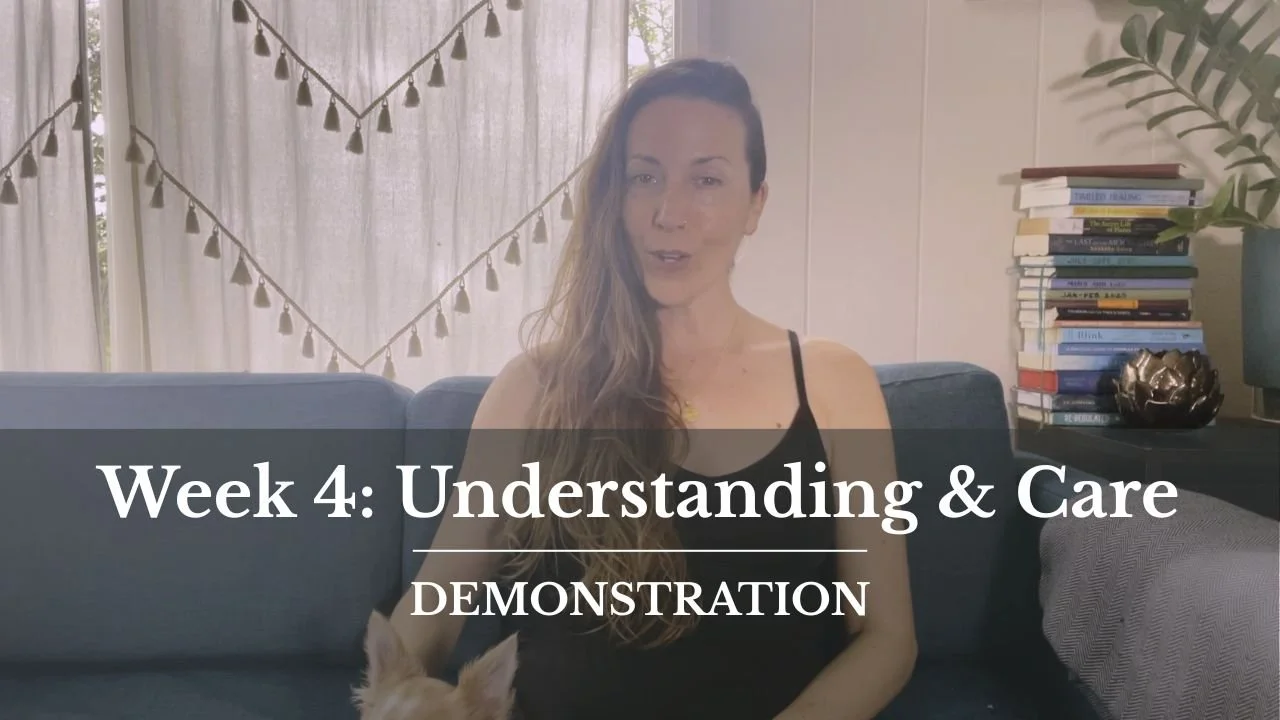
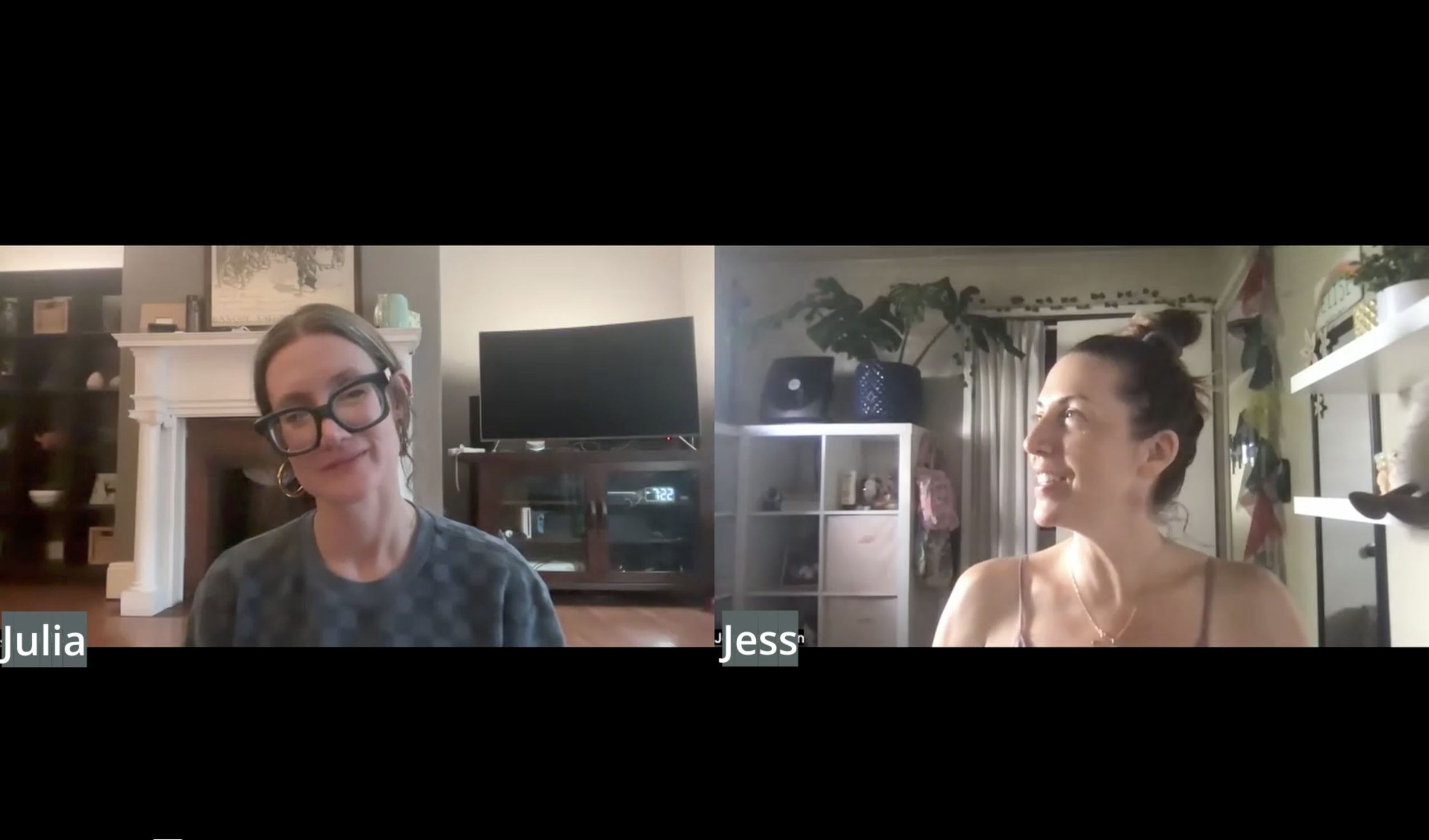
The videos below offer a simple glimpse into both the self-practice and relational practice at the heart of this work.
Self-Practice Demo
Partner Practice Demo
This was profound and deeply healing. I learned to dive inside the body to discover the messages and healing that are there.
~ Griet S.
Meet Jess
I’ve spent more than twenty years exploring the relationship between the body, the nervous system, our inner experience, and our sense of self—first through yoga and meditation, and later through somatic and nervous-system-based work.
Along the way, I began to recognize something in my experience that has deeply shaped the work I do now: even after years of study, understanding and practice, I often struggled to stay connected to myself and my experience when things were hard.
The Keystone Method and Withness grew out of exploring that gap, as well as years of teaching and working with others. At the heart of both is something I’ve come to believe deeply: meaningful change doesn’t always come from understanding more or trying harder. Sometimes it begins with learning how to stay in a different kind of relationship with ourselves—and, eventually, with one another.

How the 4 Weeks Unfold
The structure stays simple — and the relationship deepens each week.
-
Week 1 — Learning to Listen
Begin with nervous system education, sensation, and the foundational practices that help you slow down, turn inward, and begin listening more closely to your experience.
-
Week 2 — A New Inner Relationship
Learn to create distinction between yourself and what you’re experiencing, then begin relating to what you notice with acknowledgement and curiosity.
-
Week 3 — Making Room for More
Widen the practice to include thoughts, emotions, memories, images, and impulses, building your capacity to stay present with more of your experience without overwhelming your system.
-
Week 4 — Understanding & Care
Deepen the relationship by bringing understanding and care to what you notice, learning to meet your inner experience with the kind of support it may have been asking for all along.
Experience Withness
Includes Self-Paced Practice + Live Training
Next live cohort begins October 27
What Kind of Practice Is This?
People often ask me how to describe this practice.
The honest answer is that it's not just one thing.
Over time, people discover that it becomes many things at once — a place to rest, listen, process, connect, reflect, and relate to themselves in a deeper way.
The best way I know how to describe it is this:
A Listening Practice
Many of us spend years listening to the needs, expectations, and opinions of other people while gradually losing contact with our own inner signals. Withness helps us rebuild the capacity to listen inwardly again — to our bodies, our emotions, our intuition, and the quieter wisdom that often gets drowned out by the noise of daily life.
A Relational Practice
At its core, Withness is about relationship. Relationship with ourselves. Relationship with our experience. And relationship with other human beings. The practice helps us learn how to stay connected — both to ourselves and to each other — with greater presence, honesty, and care. Over time, that connection often deepens.
A Presencing Practice
Sometimes the most meaningful thing that happens in a session is that nothing needs to happen. We slow down. We notice sensation. We give our nervous system space to settle. For many people, the practice becomes a place to rest from the constant pressure to perform, produce, improve, or figure things out.
A Nervous System Practice
As we slow down and listen, we begin noticing how our nervous system responds to stress, pressure, emotion, and uncertainty. Over time, many people find themselves relating to these experiences with greater steadiness, capacity, and self-trust. They discover that they can meet life's challenges without losing themselves in the process.
A Practice of Processing
When something difficult, confusing, or emotionally charged arises, the practice offers a structured way to be with that experience in manageable amounts. Rather than thinking our way through experience, we learn how to include the wisdom of the body and nervous system as well.
A Practice of Embodied Wisdom
Sometimes people arrive with a question. Sometimes they arrive with uncertainty. Sometimes they arrive with no agenda at all. Again and again, people discover that when they slow down and truly listen, clarity often emerges naturally. Creating space simply allows it to be heard.
Experience Withness
Includes Self-Paced Practice + Live Training
Next live cohort begins October 27
In the Words of Women Who Have Experienced It
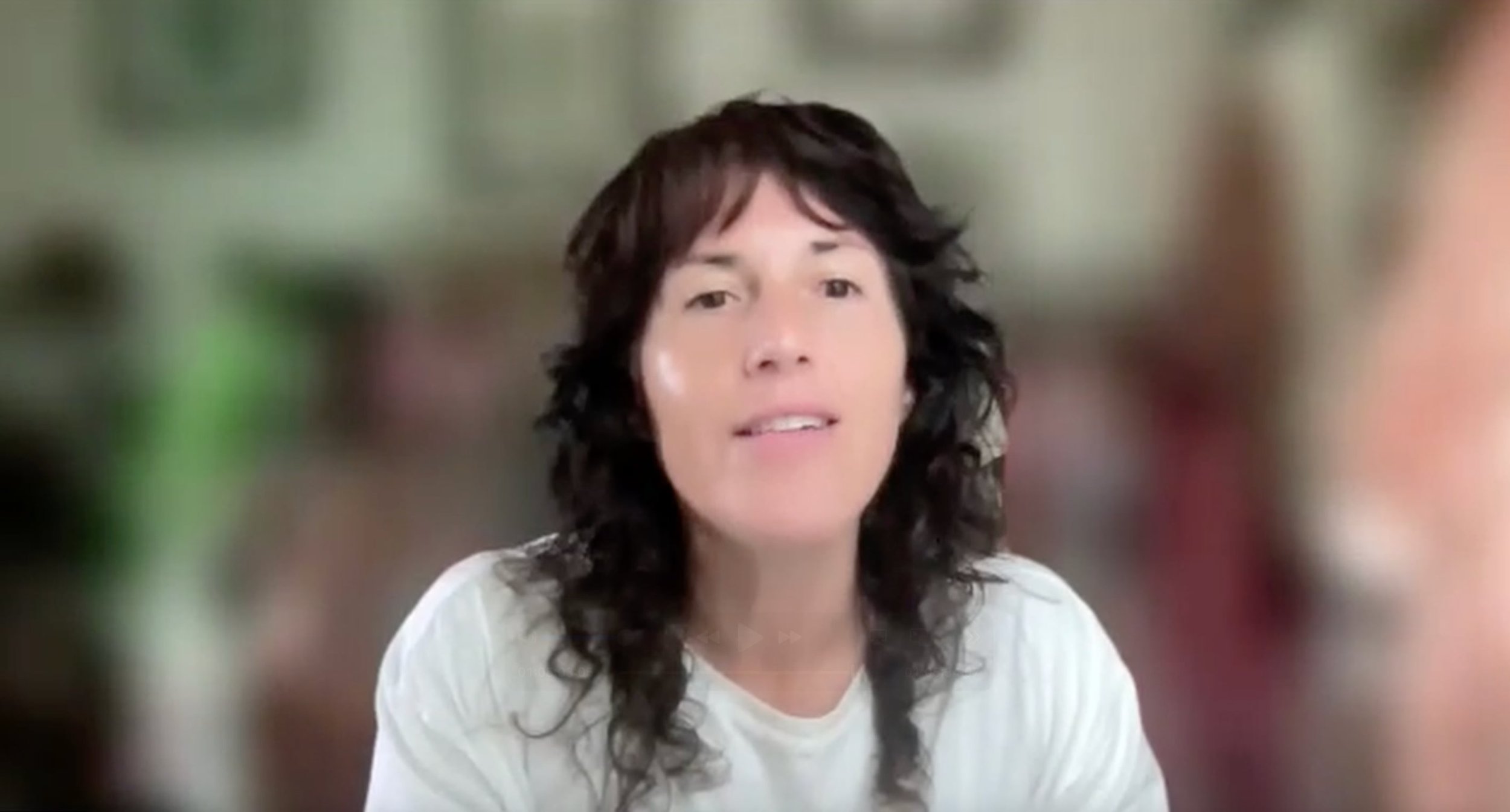
Is the Partner Practice Awkward?
Many participants came into the training feeling nervous about working with a partner. In this video, they share what that experience was actually like, what surprised them, and why many of them found the relational practice to be one of the most meaningful parts of the training.
What Makes This Practice Feel Valuable or Meaningful?
What is it about such a simple practice that resonates so deeply? Participants reflect on the aspects of the practice that felt most supportive, impactful, and transformative for them.
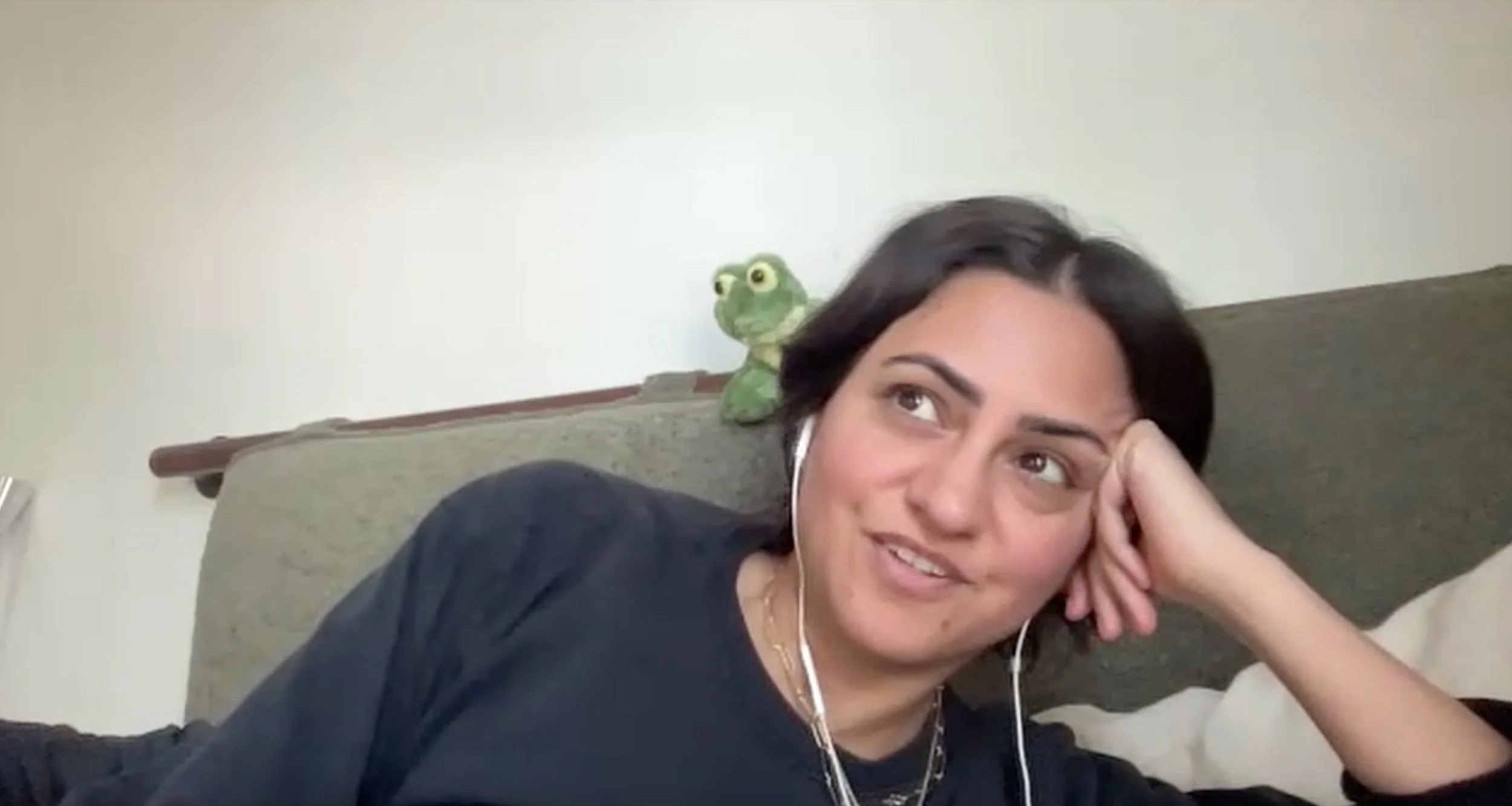
What’s at the Heart of This Work?
Beyond the techniques, nervous system education, and structure, what is this practice really about? Participants share what they feel sits at the heart of the experience and why it felt different from other personal growth and healing approaches they've encountered.

Who Would Benefit From This?
Not every practice is for everyone. In this video, participants reflect on who they believe would benefit most from this work and the kinds of people who might find it especially supportive.
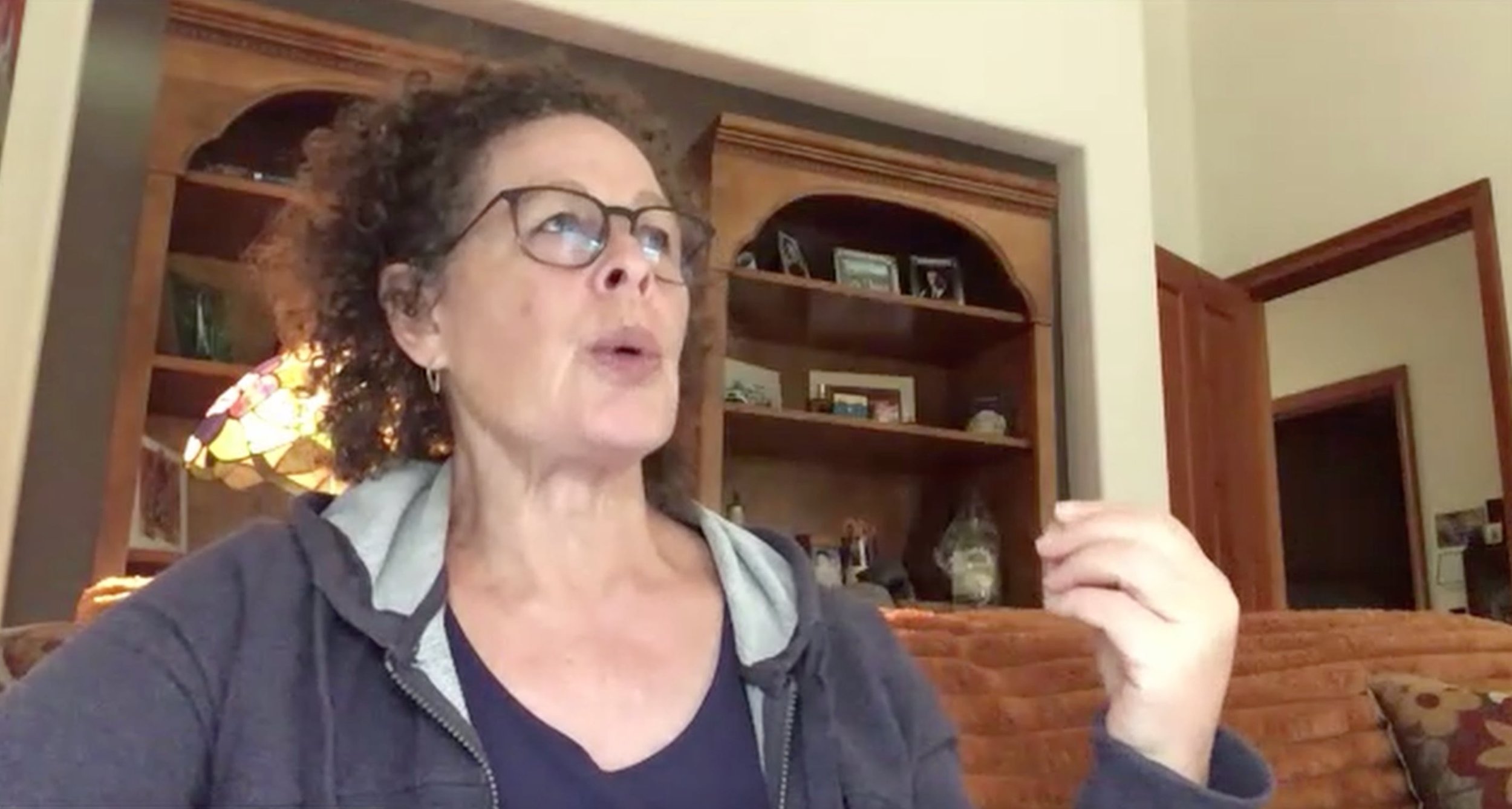

This feels holy.
~ Ceisha J.

Come As You Are
One of the things many of us discover through this work is that the practice doesn't need to be intense to be meaningful.
You don't need to arrive with something important to process or an insight you're trying to uncover. You don't need to show up in any particular way.
In fact, the less we try to "do it right," the more room there is to simply notice what's here.
Sometimes the practice gives us space to be with something difficult. Other times, clarity emerges around something we've been carrying.
And sometimes it’s simply a place to lie down, close our eyes, notice sensation, and allow ourselves to be supported for a little while.
There can be something profoundly nourishing about giving ourselves permission to stop fixing, solving, and improving.
Instead, we can simply slow down, listen, and be with ourselves exactly as we are.
This Work May Be Especially Helpful If…

You're insightful and self-aware, but still find yourself stuck in familiar patterns.
You tend to overthink, self-analyze, or live primarily in your head
You're highly sensitive, deeply feeling, or naturally attuned to others
You're tired of constantly trying to improve, heal, or fix yourself
You often feel responsible for other people and can easily lose touch with yourself
You find it difficult to stay connected to your own needs, feelings, or inner knowing
You're longing for greater steadiness, clarity, connection, self-trust, and aliveness
You're capable, responsible, and reliable — but quietly exhausted by how much you're carrying
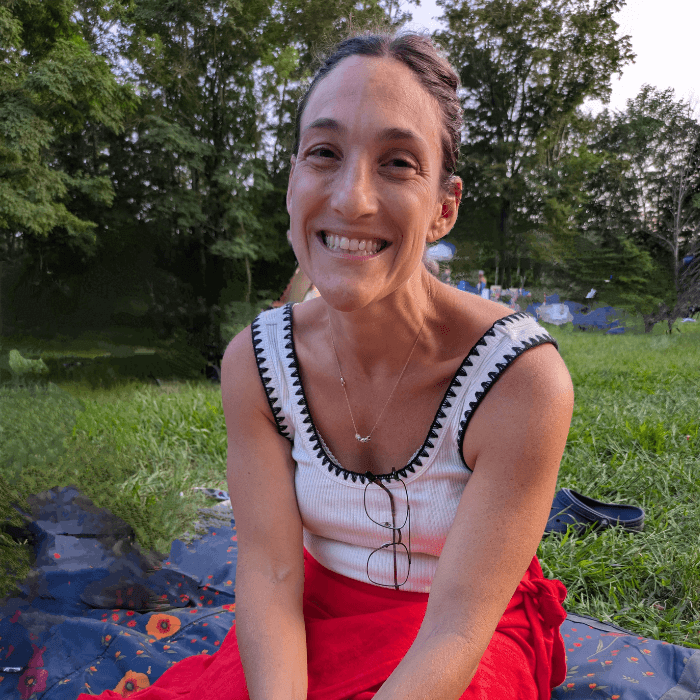
Using relational language with myself felt very powerful. I talk to my kids all the time with that sort of kindness and understanding but this is the first time I’ve ever spoken to myself like that.
~ Lauren S.
FAQs
-
No.
Many participants come in with backgrounds in therapy, coaching, meditation, yoga, or other personal growth work. Others are completely new to this kind of practice.
The training is designed to meet you wherever you are.
-
The Keystone Method and Withness teach the same foundational practice through two different formats.
The Keystone Method is a self-paced experience that helps you learn the practice through guided lessons, reflection, and embodied exercises you can do on your own.
Withness brings those same skills into relationship through live partner practice and group learning.
Many people find the two approaches complement one another, and together they offer different ways of learning and deepening the same foundational practice.
-
No.
Enrollment includes both The Keystone Method and the Withness Training, but there is no requirement to join a live cohort.
You'll receive immediate access to The Keystone Method and can start working with the self-paced material as soon as you enroll.
Some people join a live cohort right away. Others wait until they feel ready for the relational practice.
Both approaches work.
You can join a live cohort whenever you're ready.
-
Inside the program, you'll find information about upcoming live Withness training cohorts and how to reserve your spot.
You can join the next available cohort or continue working with the self-practice and sign up whenever you're ready.
-
That's completely normal.
Many participants feel some nervousness before their first partner session. In fact, it's one of the most common concerns people have coming into the training.
The practice is highly structured, there is no expectation to perform, and you are never required to share anything you don't want to share. Most people find that the anxiety softens quickly once they experience the simplicity of the practice.
-
That's perfectly okay.
You do not need to arrive with a problem, a goal, or something important to work on.
Sometimes the practice becomes a place for processing. Sometimes it becomes a place for clarity. And sometimes it becomes a space to slow down, reconnect with yourself, and give your nervous system space to settle.
All of those experiences are valuable.
-
Many people come into the practice feeling disconnected from their bodies, emotions, or inner experience.
That's okay.
You don't need to know exactly what you're feeling in order to begin. Learning how to notice, listen, and reconnect with your experience is part of the practice itself.
-
No.
You are always free to choose what you share and what you keep private.
The practice is about relating to your experience, not revealing more than feels comfortable.
Many people are surprised by how meaningful the practice can be without sharing deeply personal details.
-
Once you've completed the four-week live Withness Training, you'll be eligible to participate in ongoing Withness community practice sessions.
Many participants find that the practice continues to deepen through repetition, community, and connection over time.
A Commitment to the Work
The value of this work comes from practicing it, not simply understanding the ideas.
With that understanding, if you move through the four weeks of The Keystone Method, engage with the content and genuinely give the work a try, but come away feeling that the program wasn't valuable to you, email me within 45 days of your purchase. Tell me a little about your experience, and I'll refund your investment.
Because Withness takes place in a small live cohort, refunds are no longer available once you've attended your first live training session.

I felt grounded in deeper layers of feelings and at a greater remove from my anxious thoughts.
~ Zoe N.

A Different Way of Relating
Many of us have spent years focused on improving, healing and understanding ourselves.
Putting so much effort into trying to feel and be a certain way.
This work offers something different.
A chance to slow down.
To listen.
And to reconnect with ourselves and our experience just as they are — in a way that feels more supportive, honest, nourishing and kind.
Experience Withness
Includes Self-Paced Practice + Live Training
Next live cohort begins October 27

© 2025 The Art of Embodiment LLC
By visiting this page, you agree to our terms and conditions, privacy policy, and disclaimer.
This site is not a part of the Facebook™ website or Facebook Inc. Additionally, this site is NOT endorsed by Facebook™ in any way. FACEBOOK™ is a trademark of Meta Platforms, Inc.
DISCLAIMER: The experiences and results shared on this page are from real clients and students, but they are not guarantees of what you will achieve. The Keystone Method is an educational program, not a substitute for therapy, medical care, or crisis support. Everyone’s path is unique, and your results will depend on many factors — including your background, consistency, and personal circumstances. If you are seeking medical or psychological treatment, please consult a licensed professional.